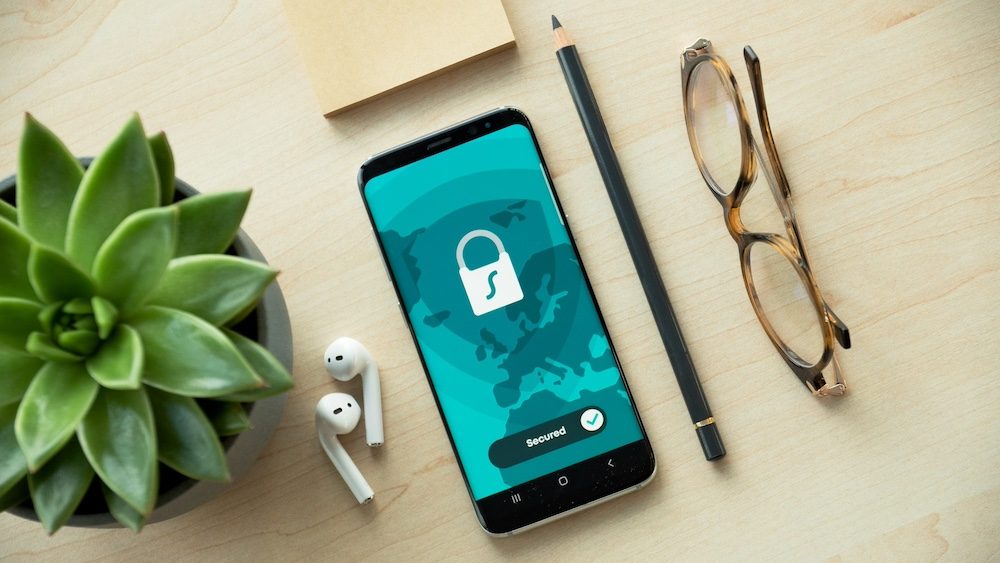
As online transactions become more common, consumers are becoming increasingly concerned about protecting their personal information. Here are some ways in which you can address privacy and security in e-Commerce.
Trust
To gain customer trust, e-commerce businesses must prioritise privacy by implementing robust security measures. This includes using secure payment gateways, encrypting sensitive data, and regularly updating security protocols to stay ahead of emerging threats.
Robust policies
Clear and transparent privacy policies can reassure customers about how their data is being handled and protected. It's also essential for e-commerce businesses to comply with relevant regulations, such as the General Data Protection Regulation (GDPR) and the California Consumer Privacy Act (CCPA). Sticking to these regulations helps businesses maintain legal and ethical standards while demonstrating their commitment to protecting customer privacy.
Ways to aid security
- Ensure Secure Socket Layer (SSL) encryption
- Use a reliable and PCI-compliant payment gateway
- Regularly update software and security patches
- Implement multi-factor authentication (MFA)
- Conduct regular security audits and vulnerability assessments
By prioritising privacy and security in e-commerce practices, businesses can build stronger relationships with customers and enhance their brand reputation. This approach also helps to reduce the risk of data breaches or security incidents that could damage their credibility.
Contact us to discuss our eCommerce solutions