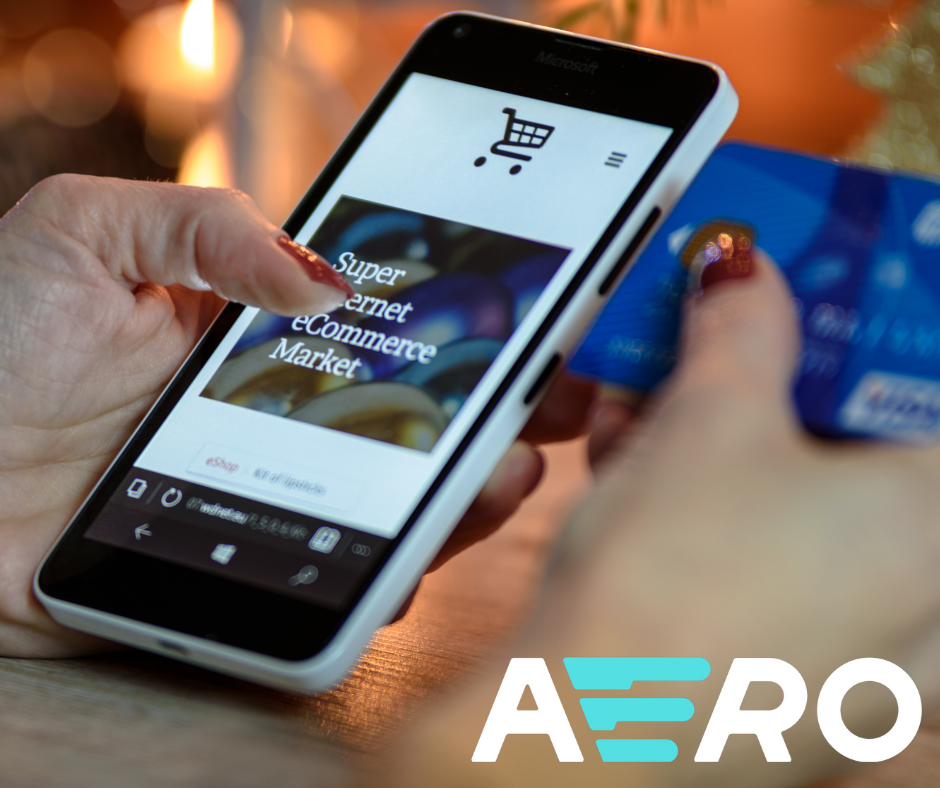
In eCommerce, subtle design choices and strategic messaging can significantly impact how customers interact with your store and ultimately decide to spend. Let's dive into the psychology behind online shopping!
The Power of the Testimonial
One of the most powerful psychological tools is social proof. Showing customer reviews, testimonials, or the number of people who have purchased an item builds trust and reduces hesitation. When shoppers see that others have had a positive experience, they are more likely to follow suit.
Scarcity Psychology
Urgency and scarcity are also effective triggers. Limited-time offers or low-stock alerts create a fear of missing out (FOMO), which can prompt quicker buying decisions. Adding countdown timers or 'Only 3 left in stock!' messages can subtly nudge customers to act fast.
Personalisation
Personalisation plays an interesting role in online shopping behaviour. Recommending products based on past browsing or purchase history makes the experience feel tailored and relevant, increasing the likelihood of conversion. Consumers are more inclined to buy when they feel the product or offer is specifically for them.
Don't forget the basics either, ease of use and a seamless checkout process are a must. A cluttered site or complex payment system can lead to cart abandonment. Reducing friction at the point of sale helps guide customers smoothly from interest to purchase.